Facebook
Categories
Categories

How to choose insulation cotton?

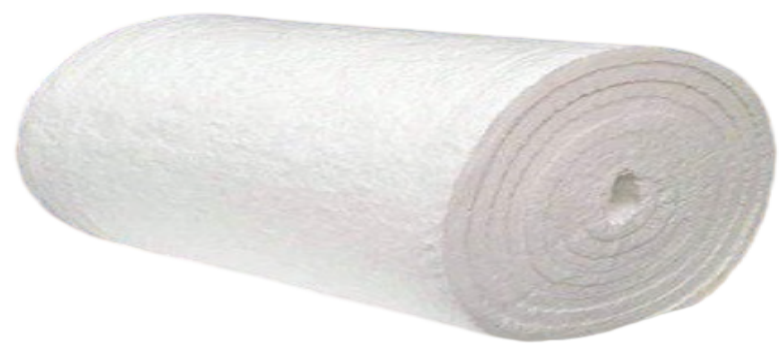
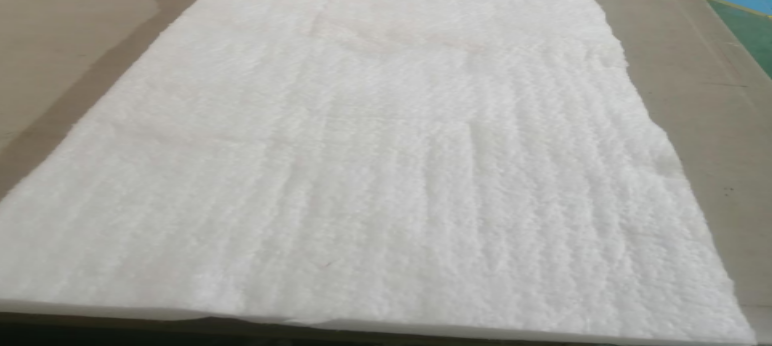
Insulation cotton is a cotton-like material used for heat insulation, heat preservation, sound insulation, and fire prevention. It is mainly installed on the outside of pipelines, walls, roofs, and equipment to reduce heat loss or isolate high temperature
Mar 30th,2026 57 Views
When choosing insulation cotton, the core is to determine the material based on the specific scenario, check the flame retardant rating, select the right thickness, verify the density and moisture resistance, and then consider the budget and environmental protection requirements.

First, let's distinguish: how to choose mainstream insulation cotton based on different scenarios
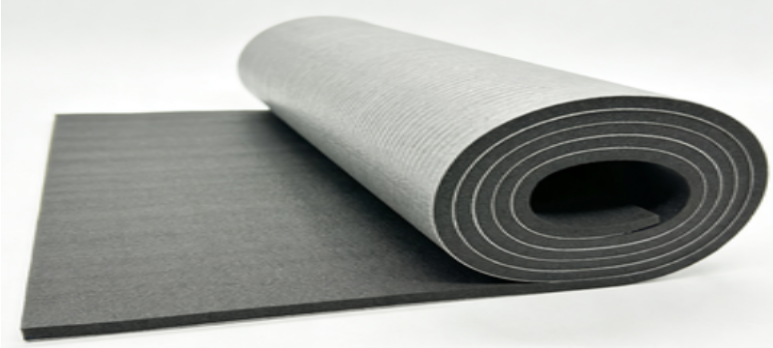
1. Rubber and plastic insulation cotton (most commonly used, preferred for household/air conditioning/pipelines)
Key advantages: closed-cell structure, moisture-proof and anti-condensation, soft and flexible, easy to install, self-adhesive.
Performance: Low thermal conductivity (0.034–0.038 W/m·K), B1-grade flame retardant, temperature resistance -50℃~110℃.
Suitable for: central air conditioning / water pipes, cold storage, basements, humid environments, anti-condensation. Hunan Market Supervision Bureau.
Avoid pitfalls: low-priced rubber and plastic flame retardant materials that fail to meet standards, are prone to aging, and emit odors.

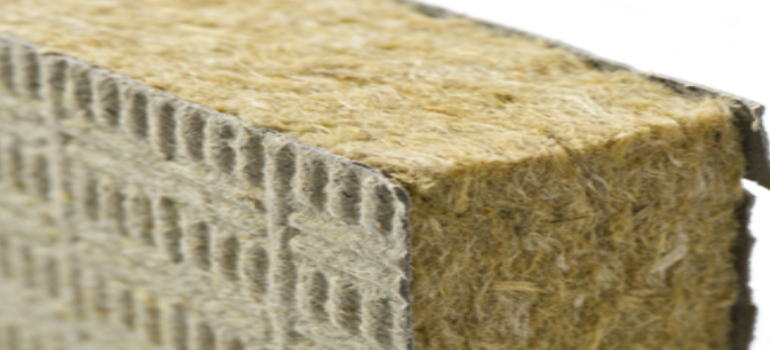
2. Rock wool (Class A fireproof, preferred for exterior walls/high temperatures/industrial applications)
Core advantages: Class A1 non-combustible, high temperature resistance (700℃+), good sound insulation, high strength, recyclable.
Suitable for: building exterior walls, steel structure fire protection, high-temperature pipelines, kilns, fireproof isolation belts, Hunan Market Supervision Bureau.

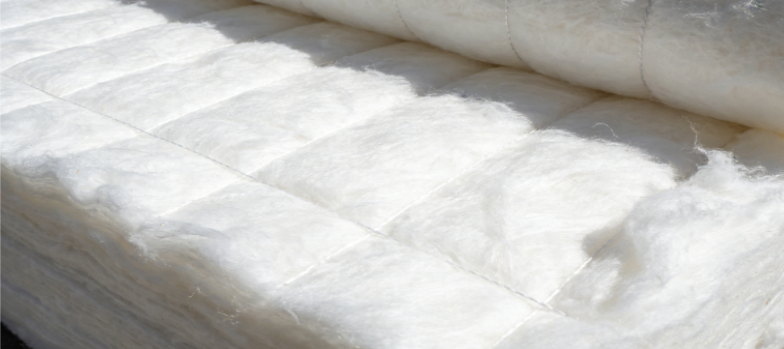
3. Glass wool (lightweight sound absorption, indoor/duct/ceiling)
Core advantages: lightweight, Class A non-combustible, good sound absorption, and high cost-effectiveness.
Suitable for: indoor partitions, ceilings, air conditioning ducts, equipment insulation, noise reduction. Hunan Market Supervision Bureau.

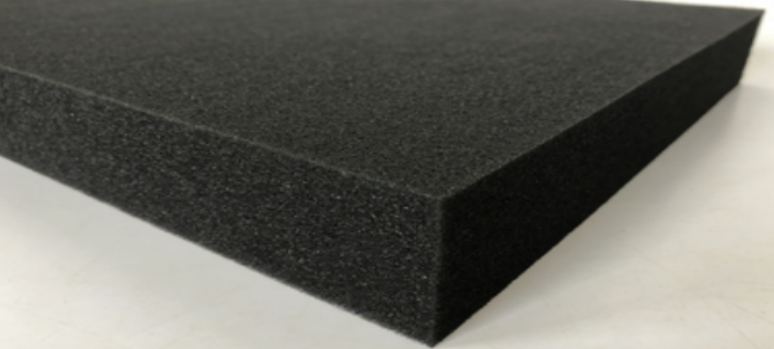
4. Polyurethane (PU, high-efficiency insulation, low temperature/precision)
Core advantages: extremely low thermal conductivity (≈0.022), waterproof, high strength, seamless spraying.
Suitable for: cryogenic tanks, cold chain, floor heating, and precision equipment temperature maintenance.
Core structure: Cell type: Open cells (good breathability, water absorption, sound absorption), closed cells (thermal insulation, water resistance, good buoyancy), mixed cells..

5. Ceramic fiber / Aluminum silicate (ultra-high temperature, specifically for industrial use)
Core advantages: temperature resistance of 1000–1400℃, lightweight, and shock resistance.
Suitable for: metallurgy, electric furnaces, high-temperature pipelines, and kiln linings.

6. Needle-punched space cotton (with soft fibers, strong sound absorption, sound insulation, thermal insulation, and heat insulation capabilities, it is the preferred choice in the industry)
Suitable for: home appliance insulation, light steel construction, roof insulation, large commercial complexes, villa interior decoration and acoustics, HVAC/fresh air systems, ship hulls, interlayers of bullet trains, high-speed railways, and aviation, etc
Stable and reliable long-term performance: The fibers are tightly interwoven, providing excellent vibration resistance; strong chemical stability ensures that the function does not degrade even after prolonged use.


II. 5 key indicators to consider when shopping (avoiding pitfalls)
1. Flame retardant rating (safety first)
Household/Indoor/Piping: Must be of Class B1 (hardly flammable) or above.
External wall / Industrial / High temperature: Priority Class A (non-combustible) (rock wool, glass wool, ceramic fiber) Hunan Market Supervision and Regulation Bureau.
Test: When lit, the lighter should self-extinguish upon removal from the flame, with no drips and minimal smoke.
2. Thickness (determines the insulation effect)
Air conditioning copper tube: ≥15mm.
Cold/hot water pipe: ≥10mm.
External wall/roof: According to energy-saving design, it is generally ≥30–50mm.
Principle: The greater the temperature difference and the more humid the environment, the thicker the thickness should be.
3. Density and structure (observe stomata)
Rubber and plastic: choose those with closed cells, small and dense pores, good resilience, no collapse, and strong moisture resistance.
Rock wool/glass wool: moderate density (exterior wall ≥140kg/m³), too loose is prone to moisture absorption, too tight leads to increased thermal conductivity.
Texture: When pinched, it quickly rebounds without becoming brittle or crumbling.
4. Moisture resistance / Water absorption (critical in humid environments)
Rubber and plastic: Water absorption rate ≤1%, preferred for humid/anti-condensation scenarios.
Rock wool / glass wool: High water absorption rate, must be covered with aluminum foil / waterproof membrane.
5. Environmental protection and odor
It has no pungent odor and meets the formaldehyde/TVOC standards of GB 18580–2017.
Household products with priority given to formaldehyde-free and low VOC products.

III. Quick selection table by scenario
table
Scene Preferred Material Key Requirements
Central air conditioning / water pipes Rubber and plastic Class B1, thickness ≥15mm, closed-cell moisture-proof
External wall insulation, rock wool board, Class A, density ≥140kg/m³, waterproof treatment
Indoor ceiling/partition wall Glass wool Class A, sound-absorbing, moisture-proof with aluminum foil coating
Cold storage/basement Rubber and plastic Closed-cell, moisture-proof, Grade B1, thickness 20–30mm
High-temperature pipeline/kiln Rock wool/ceramic fiber Class A, high-temperature resistant, waterproof wrapping
Floor heating / flooring Polyurethane / XPS Compression resistance, moisture resistance, Class B1

IV. Purchase steps (simple and easy to remember)
Specified scenarios: household/industrial, indoor/outdoor, high temperature/low temperature, humid/dry.
Material selection: For damp conditions, choose rubber and plastic; for fire resistance, choose rock wool or glass wool; for ultra-high temperatures, choose ceramic fiber.
Level: Must be above B1 level, with priority given to household use (B1), and priority given to exterior walls/industrial use (A level).
Select thickness: Choose a thickness sufficient for the purpose, with air conditioning pipes being ≥15mm thick and water pipes being ≥10mm thick.
Check the quality: dense pores, good rebound, no odor, self-extinguishing when away from fire.
Look at the brands: Formax, Dukan, Kempf, Formax, etc., they have more stable quality.

V. Common Misconceptions
❌ Only considering price: Low-priced rubber and plastic flame retardant/moisture-proof products are poor in quality, prone to leakage and mold growth.
❌ The thicker the thickness, the better: too much thickness leads to waste and increased costs. Just follow the specifications.
❌ Ignoring moisture prevention: Not using rubber and plastic in humid environments can lead to condensation, mold growth, and eventual failure.
❌ Do not overlook flame retardancy: Indoor materials must meet B1 level, with safety as the top priority.

Foshan Zhiwei Adhesive Products Co., Ltd. has a mature matching solution for choosing insulation cotton materials. We welcome inquiries from major manufacturers. Contact email: yang@fszw-tapes.com